
Is your Solar PV not functioning, or working at a level lower than expected? Below we have covered some of the basic troubleshooting steps to ensure everything is working as it should.
No solar production can be detected either by 0 readings on the app, no lights on the device, or the Generation meter showing a solid red light.
Low solar production is harder to detect – but you would notice a reduction in your output compared to historical figures ,or for some systems ( Victron/Enphase), the system will alert you when the production is below expected figures.

No Solar Production
Isolators
One of the first things to check are the isolators – typically you will have two colours :-
Black Isolators – These DC Isolators (like the one pictured here) are to isolate your inverter from the Solar panels. These are Horizontal in the off postition, and Vertical in the On position. These can be left on all the time, and are only used when the inverter needs to be isolated to be worked on.
Red Isolators – These AC Isolators connect your Solar Inverter to the rest of the elctrical system in the house. These are Horizontal in the off postition, and Vertical in the On position. These can be left on all the time, and are only used when the inverter needs to be isolated to be worked on, or when the house electrics need to be worked on ( as the property is fed both by the grid and the inverter).

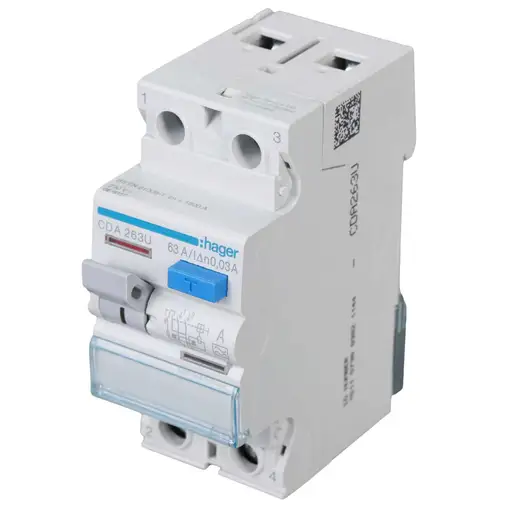
Circuit Breakers
Depending on your installation, this can either be an MCB, RCCB, or RCBO, depending on the specific installation. Check that these are all in the on position and haven’t tripped. If the device has an RCD fitted, there will be a test button – these need to be tested periodically to ensure they are functioning.
A common issue we see is when subsequent devices are installed at a property post installation, these can have earth leakage which can trip the Solar inverter. Things like Heat Pumps, or EV chargers, can cause this nuisance tripping.
Low Solar Production
Dirty Panels
By the nature of how they are installed at a pitched angle – solar panels do have a degree of self cleaning, so light debris and leaves will fall off in due course.
However, if you have low pitched panels, or live near a busy road or railway, you will benefit from having the panels periodically cleaned. If the panel is partially blocked, this will affect the whole panel, which in turn effects the whole array (for normal Solar Inverters, microinverters don’t have this issue).
Panels can be cleaned with water or non-abrasive scrubbing, as the external face is just glass. If the contamination is more severe, we would suggest finding a specialist company to clean them.


Shading
Shading also has the same issue as dirty panels above, where even a single panel is partially shaded, it will reduce the whole array’s output. Modern panels are much better at dealing with this, as they can selectively disable the shaded parts, allowing the system to still produce power.
In the case of the example here ( a chimney), not a lot can be done, and would be factored into our calculations. There are also cases where the shading is only for a few months of the year (typically winter), and our calculations will take into account also.
In the cases of trees/hedges however, its good practice to keep them trimmed as such to keep the array clear of any shading.
