
If you find your home battery not working, or performing not as it should, we have below some of the solutions or causes to assist you with your system.

No Battery Production (charging or discharging)
Battery Isolators
On a lot of battery systems, the connection between the inverter and the battery will have MCB or isolator installed, to protect both the battery and the inverter itself.
This is either mounted next to the battery ( as the example shows) or more commonly these days, is integrated into the battery itself. Check that these are in the on position.


Scheduling Errors
With Time of Use Tariffs becoming common, and British winters being poor for solar production. A lot of our systems use some form of scheduler to allow timed charging from the grid ( or discharging when the export payments are higher).
It’s good to check these are configured correctly, as there are several modes which will stop the battery from functioning as expected. For example “backup mode” might hold the battery at a certain charge level in case it is required for EPS.
We can always assist with the configuration of these if you are unsure.
Reduced Battery Production ( limited charge/discharge rate)
Temperature
All battery systems have an ideal working temperature – this is the temperature in which the battery can charge and discharge at its maximum rate – typically in the UK, the minimum temperature is the issue, not the maximum.
These minimum temperatures vary by manufacturer, with Sodium batteries having a much lower minimum temperature, but a common LFP minimum temperature is normally a reduction in max power around 10C, with the minimum temperature being around 0C.
In normal operation, the battery itself will warm up while charging/discharging. This is normal, and does normally mean that the battery can get itself up to a working temperature. If your battery usage is too low to allow that, a lot of our modern batteries have a built in heater ( either manually controlled or automatic), which can heat the battery up to a working temperature level. Do note however, that the heater itself does consume power, so you will need to decide if the additional output you gain is offset by the charge loss of heating it. (most heaters are around 500W, so each hour of heating is going to consume 0.5kWh of power per hour).

Battery Protection
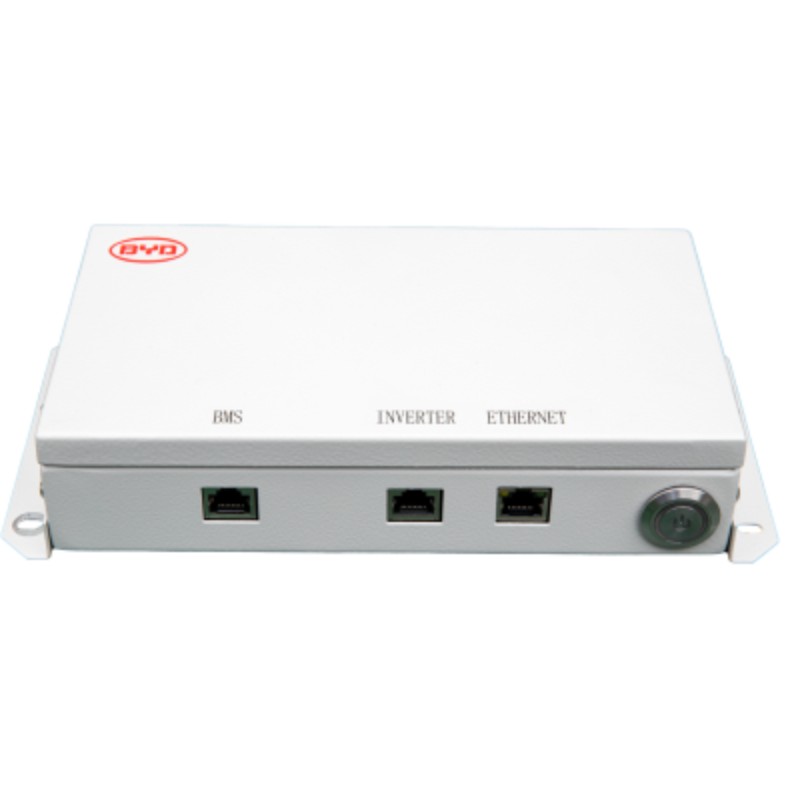
All Lithium battery systems will have a Battery Management System/Battery Management Unit (BMS or BMU for short). This handles the battery charging and discharging, and also does other functions – balancing each individual cell in the pack for example.
It does this as lithium batteries have different properties than, say a car battery. It needs to be protected from overcharging, and also there are voltage levels where if they get too low, the battery could be permanently damaged.
As a result, the BMS is constantly monitoring all the variables inside the battery, and making small adjustments. It’s why we recommend the battery gets to a full charge at least once or twice a month, to ensure the BMS can calibrate and balance the cells to give you maximum performance.
Sometimes this will cause behaviour that is unrequested – for example, if a battery falls below minimum charge level, it might pull some power from the grid to top it off even if grid charging is disabled, or it might limit the charging rate when the battery is close to full. This is all totally normal, and is part of the BMS protecting your batteries (and you!).
