
Your Solar PV & Battery system can still save you money even during the winter months – but there are some considerations to be aware of. Below are some tips to help maximise your system during the winter period.
Solar PV Advice
Snow & Ice
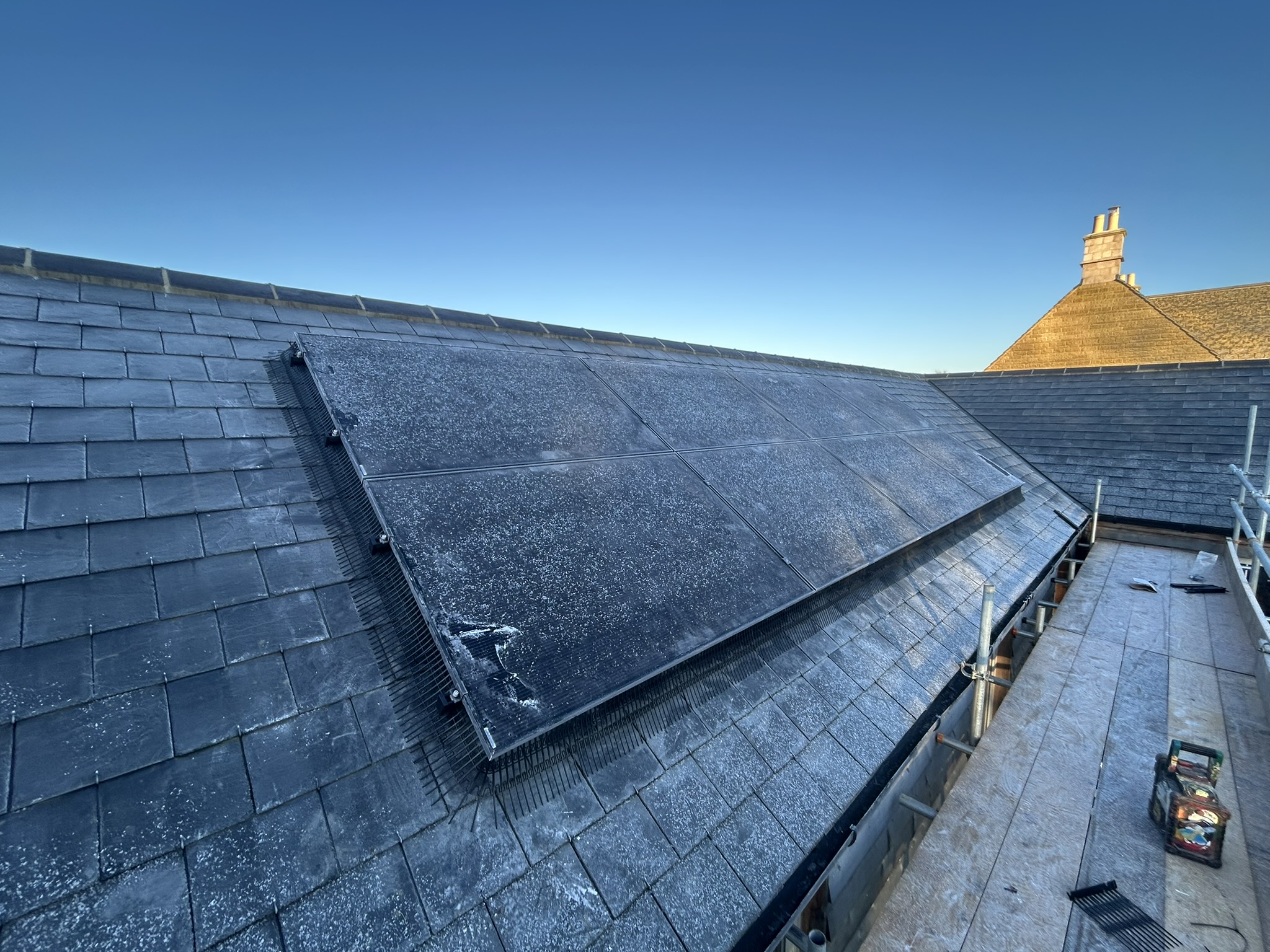
Overnight, Ice and/or snow can form on the panels themselves. As the panels operate, they will produce heat which will normally melt any ice buildup. Snow is a little different – if its sufficiently thick enough, it can totally block the panel from producing any solar, meaning the production will be very low.
Fortunately in the UK snow is reasonably uncommon, and if we do get snow, its a small amount, meaning it will normally clear naturally in a day or two.
Battery Storage Advice
Temperature
All battery systems have an ideal working temperature – this is the temperature in which the battery can charge and discharge at its maximum rate – typically in the UK, the minimum temperature is the issue, not the maximum.
These minimum temperatures vary by manufacturer, with Sodium batteries having a much lower minimum temperature, but a common LFP minimum temperature is normally a reduction in max power around 10C, with the minimum temperature being around 0C. Sodium batteries should operate comfortably down to -20C, with a
In normal operation, the battery itself will warm up while charging/discharging. This is normal, and does normally mean that the battery can get itself up to a working temperature. If your battery usage is too low to allow that, a lot of our modern batteries have a built in heater ( either manually controlled or automatic), which can heat the battery up to a working temperature level. Do note however, that the heater itself does consume power, so you will need to decide if the additional output you gain is offset by the charge loss of heating it. (most heaters are around 500W, so each hour of heating is going to consume 0.5kWh of power per hour).


Winter Scheduling Tips
In Winter, the amount of daylight hours is reduced, along with the sun angle being much lower in the sky. While the panels still produce the same output in the winter, the shorter days generally make charging a battery much more difficult.
If you have a tariff that has a cheaper night rate, you can take advantage of this by charging the batteries to full overnight, meaning each day you are starting with a battery of cheap energy. This can help maximise your savings, even in the winter months when the solar output is low.
